
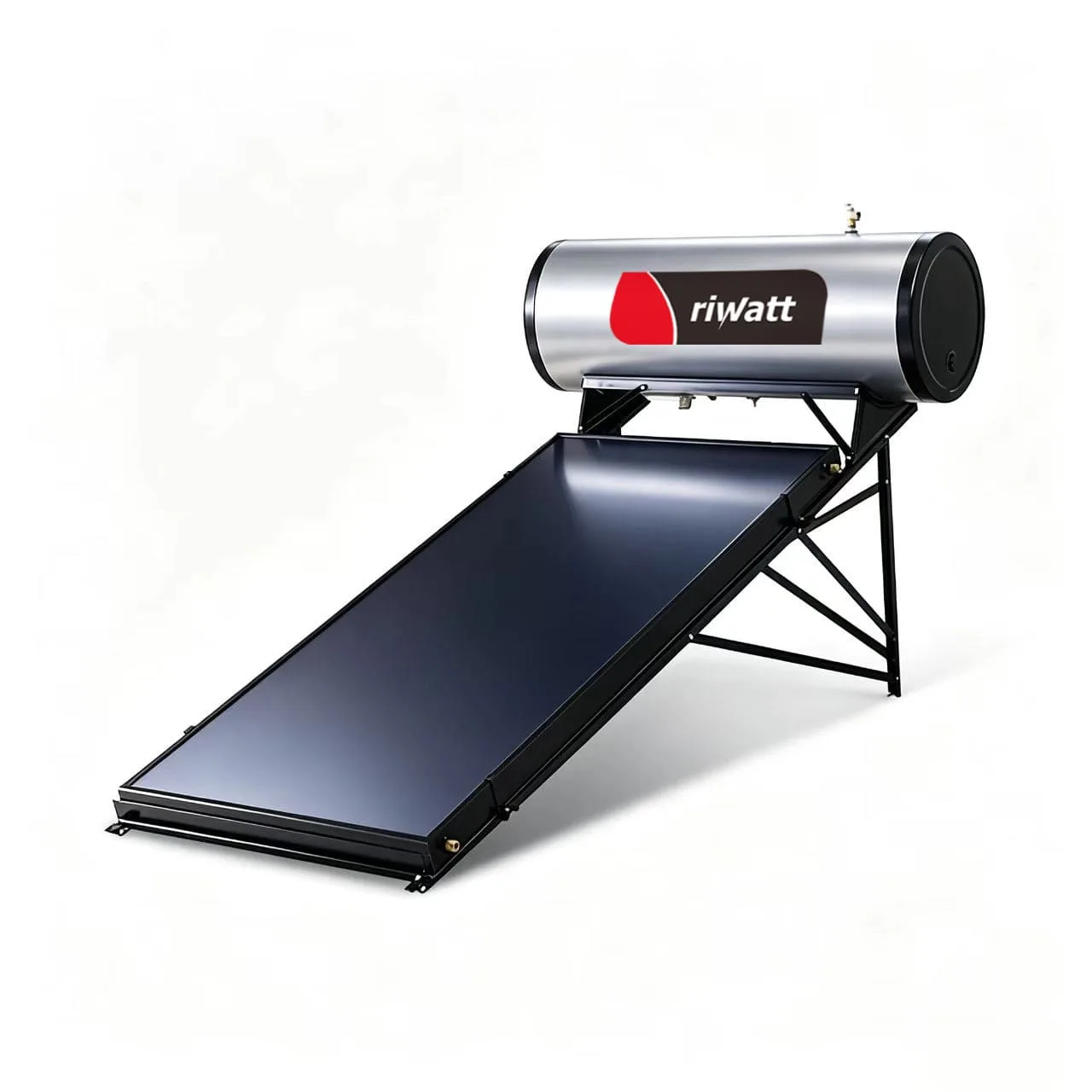
Why Flat Plate Solar Water Heaters Are Becoming More Popular Worldwide
Integrated pressurized flat plate solar water heaters are rapidly gaining popularity across Africa, the Middle East, Asia, and South America.
Compared with traditional evacuated tube solar water heaters, flat plate systems offer several attractive advantages:
✔ Better architectural integration
✔ Modern and elegant appearance
✔ Easier installation
✔ Lower risk of glass breakage
✔ Improved safety in public and residential buildings
✔ Excellent performance in high solar irradiation regions
For these reasons, many developers, contractors, distributors, and homeowners are choosing flat plate solar water heaters for residential and commercial hot water applications.
However, one question is frequently raised by buyers:
Can a flat plate solar water heater realistically last 10–15 years and support a 10-year warranty?
The answer is yes—but only when the right materials and engineering standards are used.
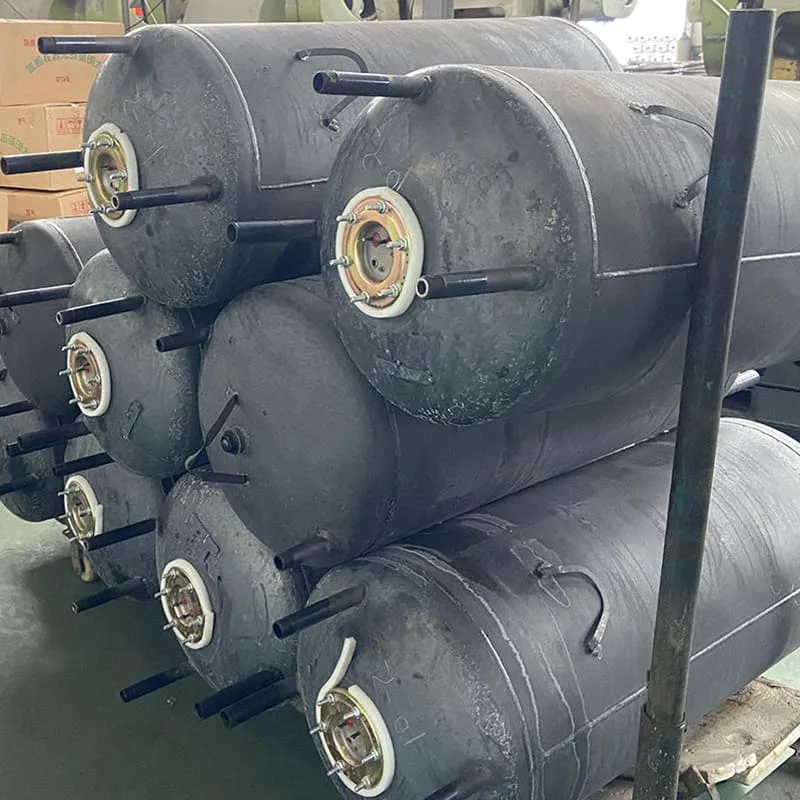
1. Choose an Enamel Jacketed Water Tank Instead of Direct Water Flow
One of the most important design considerations is the water tank structure.
For long-term reliability, an enamel-coated jacketed tank is strongly recommended.
In this design:
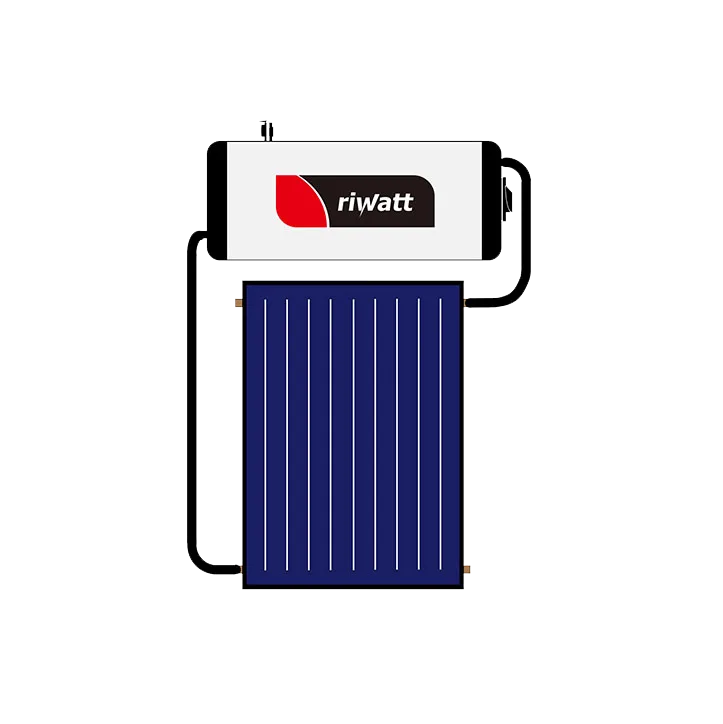
Domestic water is stored inside the enamel tank.
Heat transfer fluid circulates through the collector loop.
Water does not directly contact the copper absorber tubes.
Why It Matters
Water quality in many regions of Africa and the Middle East contains:
High mineral content
High salinity
Strong corrosive characteristics
Direct water circulation inside copper collectors can eventually lead to corrosion, leakage, and reduced service life.
A jacketed heat-exchange system significantly improves durability and reliability.
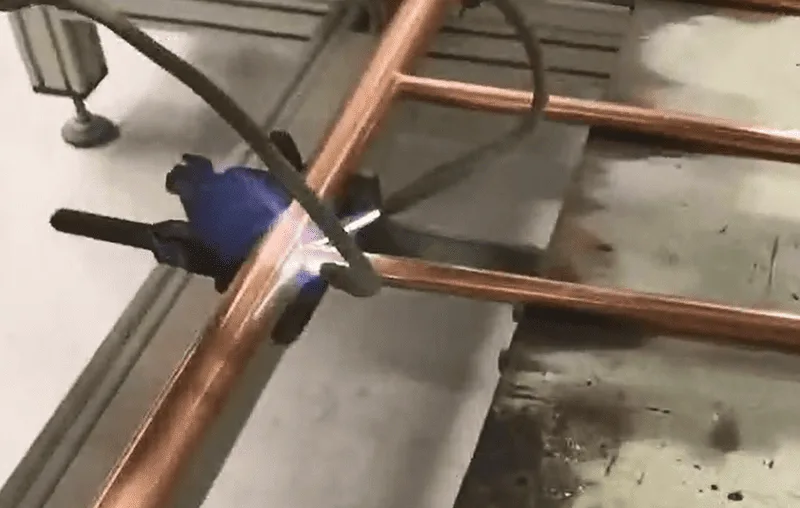
2. Copper Tube Thickness Determines Collector Lifespan
Many low-cost flat plate collectors reduce manufacturing costs by using thinner copper tubes.
Common market thicknesses include:
0.38 mm
0.40 mm
0.45 mm
While these options lower production costs, they can create long-term reliability issues.
Recommended Standard
Use copper tubes with a wall thickness of at least:
0.55 mm or above
Benefits
Better pressure resistance
Improved corrosion resistance
Reduced leakage risk
Longer service life
For buyers seeking 10-year warranty support, copper thickness should never be overlooked.
3. Larger Copper Riser Tubes Improve Efficiency
The diameter of the absorber riser tubes directly affects heat transfer performance.
A larger diameter allows:
Greater heat exchange area
Faster heat collection
Improved thermal efficiency
Recommended Sizes
Ø10 mm
Ø12 mm
Compared with smaller riser tubes, these specifications deliver better energy output, especially in regions with strong solar radiation.
Higher efficiency means more hot water and improved customer satisfaction.
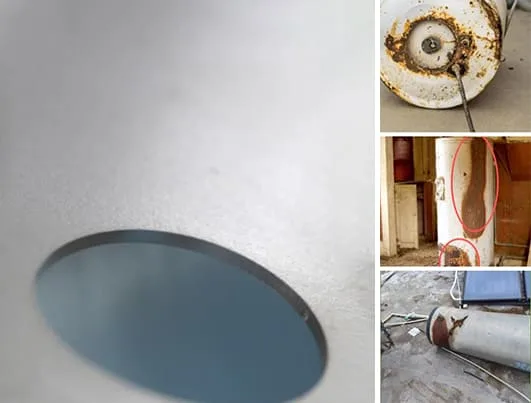
4. Corrosion-Resistant Materials Are Essential
Many flat plate collectors operate in coastal or tropical environments where corrosion is a major challenge.
Collector Back Sheet
Recommended:
✔ Composite Aluminum Sheet
Avoid:
✘ Low-grade painted steel sheet
Water Tank Outer Shell
Recommended:
✔ SUS304 Stainless Steel
✔ SUS316L Stainless Steel
Why This Matters
Coastal areas often experience:
High humidity
Salt-laden air
Accelerated metal corrosion
Selecting corrosion-resistant materials can dramatically extend the lifespan of the entire solar water heating system.
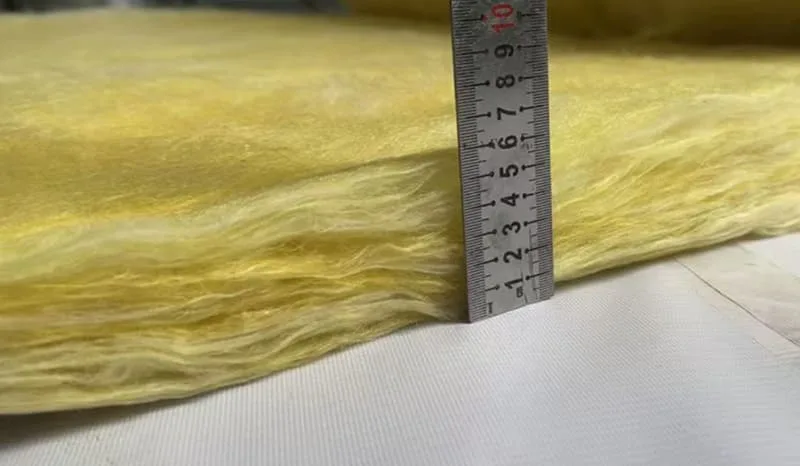
5. Insulation Quality Is Often Overlooked
Many buyers focus only on collector efficiency while ignoring thermal insulation.
In reality, heat loss during the night can significantly impact overall performance.
Key Considerations
Polyurethane insulation density
Insulation thickness
Manufacturing quality
Benefits of Better Insulation
✔ Reduced heat loss
✔ Better winter performance
✔ Higher energy savings
✔ Improved hot water availability
An efficient collector is only valuable if the collected heat can be retained.
Why Some Flat Plate Solar Water Heaters Fail Before 10 Years
Many buyers ask manufacturers to provide a 10-year warranty.
The real question is not whether a manufacturer can offer a 10-year warranty.
The real question is whether the product was designed to achieve a 10-year service life.
If a collector is manufactured using:
●Thin copper tubes
●Low-grade steel
●Poor insulation
●Cost-cutting materials
then long-term durability becomes difficult to achieve.
A reliable flat plate solar water heater must be engineered for longevity from the beginning—not simply marketed with an attractive warranty.
Final Buying Recommendations
If you are sourcing an integrated pressurized flat plate solar water heater for Africa, the Middle East, Asia, or South America, pay close attention to the following:
Buyer Checklist
●Enamel jacketed water tank
●Copper tube thickness ≥ 0.55 mm
●Ø10 mm or Ø12 mm riser tubes
●Composite aluminum collector back sheet
●SUS304 or SUS316L stainless steel outer shell
●High-density polyurethane insulation
By evaluating these factors before purchasing, buyers can significantly increase the likelihood of achieving a service life of 10–15 years while reducing maintenance and warranty risks.
Conclusion
Integrated pressurized flat plate solar water heaters are among the most promising solar hot water solutions for modern buildings.
They offer:
Excellent aesthetics
Building integration
Enhanced safety
Simple installation
High efficiency in sunny climates
When designed with premium materials and proper engineering, a high-quality flat plate solar water heater can realistically provide 10–15 years of reliable service, making it an excellent investment for homeowners, developers, contractors, and distributors worldwide.
FAQ – Integrated Pressurized Flat Plate Solar Water Heaters
1. How long does an integrated pressurized flat plate solar water heater last?
A high-quality integrated pressurized flat plate solar water heater can typically last 10–15 years or more when manufactured with durable materials such as thick copper absorber tubes, enamel-coated water tanks, corrosion-resistant stainless steel, and high-density insulation. Regular maintenance can further extend its service life.
2. Can a flat plate solar water heater come with a 10-year warranty?
Yes. A 10-year warranty is achievable when the system is designed with premium components, including an enamel jacketed tank, high-quality copper absorber tubes, corrosion-resistant materials, and proper insulation. The warranty period ultimately depends on the manufacturer’s design standards and material selection.
3. Why is an enamel jacketed water tank better than direct water circulation?
An enamel jacketed tank prevents domestic water from flowing directly through the collector’s copper tubes. Instead, a heat transfer fluid circulates inside the collector, reducing corrosion, scale buildup, and leakage risks. This design significantly improves the durability and reliability of the solar water heating system.
4. What copper tube thickness is recommended for a durable flat plate collector?
For long-term performance, copper absorber tubes should ideally have a wall thickness of 0.55 mm or greater. Thicker copper tubes offer better corrosion resistance, higher pressure tolerance, and a lower risk of leakage compared to thinner tubes commonly found in low-cost collectors.
5. Are flat plate solar water heaters suitable for coastal areas?
Yes, but material selection is critical. In coastal environments with high humidity and salt content, collectors should use composite aluminum back sheets and SUS304 or SUS316L stainless steel outer casings to improve corrosion resistance and extend system lifespan.
6. Why is insulation important in a flat plate solar water heater?
High-quality insulation minimizes heat loss during the night and on cooler days. A system with high-density polyurethane insulation can retain hot water temperatures longer, improve energy efficiency, and provide more consistent hot water availability throughout the year.
7. Are flat plate solar water heaters better than evacuated tube solar water heaters?
Both technologies have advantages. Flat plate solar water heaters are often preferred for modern buildings because they offer a sleek appearance, easier building integration, and lower risk of glass breakage. In regions with strong sunlight, such as Africa, the Middle East, and tropical climates, flat plate collectors can provide excellent performance and long-term reliability when properly designed.



Leave A Comment
Your email address will not be published.